

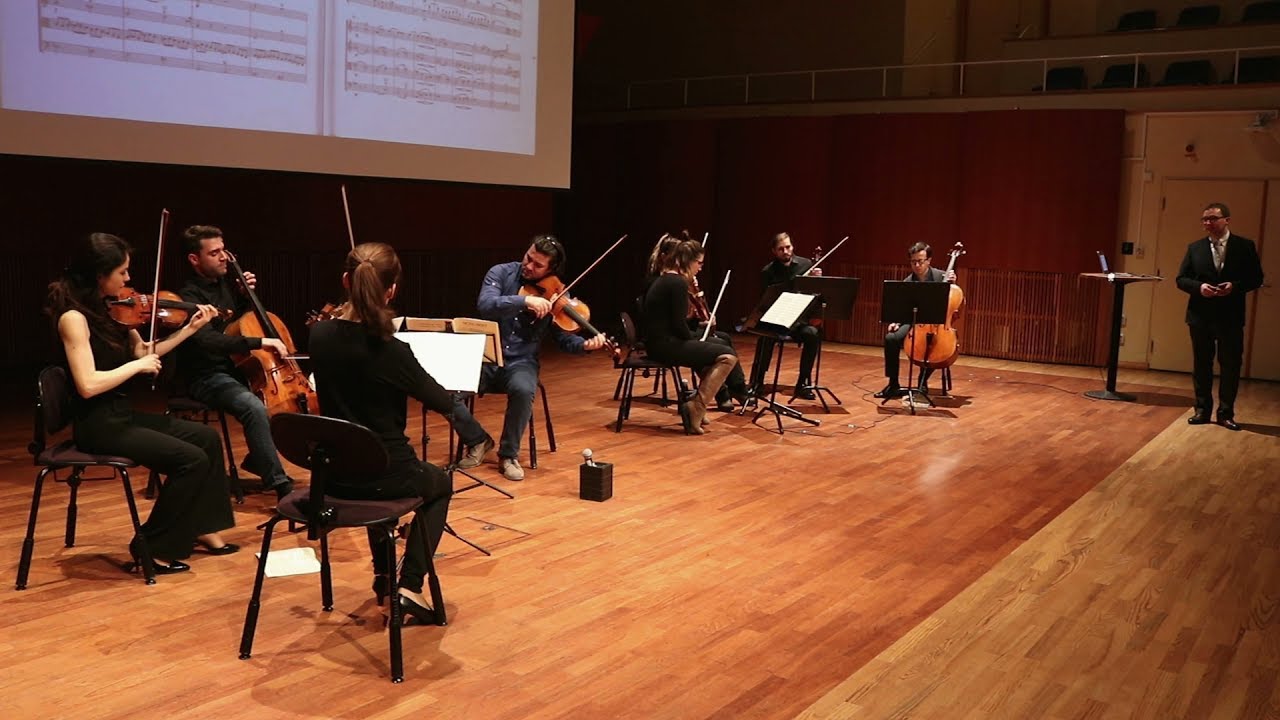
Music Workshops at Craft Lab: A Fun Way to Bond and Learn
In Singapore, many group activities still fall into the same predictable pattern: a meal, a talk, a game, or a short entertainment session where only a few people actively participate. These activities can be enjoyable, but they do not always create real connection. For companies, families, schools, and social groups, the bigger challenge is finding an experience that feels inclusive, light-hearted, and meaningful at the same time.
That need is especially relevant now. Gallup’s 2026 Singapore workplace data, based on 2025 responses shows that only 14% of employees in Singapore are engaged at work, while 43% experienced a lot of stress the previous day. MOM also reported that among more than 15,000 employees using iWorkHealth in 2024 about one in three experienced work-related stress or burnout. Against this backdrop music workshops offer something refreshingly human: people listen, laugh, try to make mistakes and create something together.
Craft Lab’s music workshops in Singapore are designed around that simple but powerful idea. Instead of watching from the sidelines, participants get hands-on with music jamming, ukulele, guitar, STOMP percussion, or beatboxing in a beginner-friendly setting.
Why Music Workshops Matter in Singapore Today
Music is not just entertainment. It is one of the easiest ways for people to participate together without needing a long learning curve. A group can start with no experience, learn a simple rhythm or chord pattern, and end the session with a shared performance that feels surprisingly rewarding.
This fits Singapore’s wider shift toward more accessible arts experiences. The National Arts Council notes that arts exposure supports holistic development, cultural appreciation, skill-building, and the ability to express thoughts and ideas. Singapore’s Public Sector Outcomes Review also reported that nearly six in 10 Singaporeans attended arts events in person in 2023, while close to seven in 10 watched or listened to arts events through digital or online channels.
From Passive Fun to Active Bonding
The strength of a music workshop is participation. In a typical social event, confident people may dominate the conversation while quieter participants stay in the background. In a music jamming session, everyone has a role. One person keeps rhythm, another tries chords, someone else follows the beat, and the group learns how to stay in sync.
That shared effort creates a different kind of bonding. It is not forced small talk. It is a group experience where people cooperate naturally because the music only works when they listen to one another.
The Research Behind Music and Social Connection
Research supports this practical experience. A recent meta-analysis covering 56 studies and 18,564 participants found that people who participated in music activities showed better social and emotional outcomes than those in other activities or passive control groups. Another systematic review found that musical interpersonal synchrony can create conditions for group participation and may enhance prosocial behaviour, although the authors noted that more robust studies are still needed.
In simpler terms, when people make music together they practise listening, timing, turn-taking, and cooperation. Those are the same behaviours that help teams work better, families connect more deeply, and students build confidence.
What Makes Craft Lab’s Music Workshops Practical for Groups
Craft Lab’s music jamming workshop is built for accessibility. The listed workshop duration is 1 to 1.5 hours, making it suitable for corporate team bonding, school enrichment, birthday celebrations, or casual social gatherings where people want something fun but not too time-consuming.
A Beginner-Friendly Setup
One of the biggest barriers to music is the fear of not being “musical enough.” Craft Lab removes that pressure by making the workshops suitable for all skill levels. Participants do not need prior musical experience, and instructors adjust the session according to the group’s needs.
This matters because a good group workshop should not reward only the most talented person in the room. It should help everyone feel safe enough to try. A beginner who learns a simple ukulele pattern or joins a percussion rhythm may leave with more confidence than they expected.
Convenient for Singapore-Based Events
Craft Lab’s studio is located at 37 Jalan Pemimpin, MAPEX Building, #03-08, Singapore 577177, and the music workshop page notes that the studio is about five minutes from Marymount MRT Station. The studio can hold up to 50 people, and trainers are assigned to guide participants during the session.
For organisers, that solves three common problems: accessibility, group management, and facilitation quality. Instead of worrying about equipment, venue flow or whether participants can keep up, the structure is already designed for guided participation.
Types of Music Workshops at Craft Lab
Craft Lab offers a variety of music workshop formats, including guitar playing, ukulele, STOMP percussion, and beatbox workshops. Each format works slightly differently, so organisers can choose based on the group’s personality and event goals.
- Ukulele workshops: Great for beginners, families, and casual bonding sessions because the ukulele is approachable and cheerful.
- Guitar workshops: Suitable for groups interested in learning familiar chords and simple songs.
- STOMP percussion: Ideal for energetic teams because participants can create rhythm using movement, timing, and everyday-style percussion.
- Beatbox workshops: A fun option for groups that enjoy performance, creativity, and vocal expression.
The best choice depends on the outcome you want. A corporate team may enjoy STOMP because it highlights rhythm and coordination. A birthday group may prefer ukulele because it feels relaxed and easy to share. A youth group may enjoy beatboxing because it encourages creativity without needing instruments.
How Music Jamming Builds Real Bonds
A good bonding activity should create shared memories, not just fill time. Music jamming does this because the group moves from uncertainty to achievement together. At the start, some participants may laugh nervously or say they have no musical talent. By the end, they may be playing a simple rhythm or song as a group.
It Encourages Listening Without Making It Formal
In workplaces, active listening is often discussed in training rooms. In a music workshop, participants practise it naturally. If one person speeds up, the group feels it. If someone misses a beat, others adjust. If the group listens well, the final result sounds better.
That lesson is practical for teams. Collaboration is not only about speaking up; it is also about noticing timing, energy, and how your actions affect others.
It Creates Psychological Safety Through Play
Music workshops are playful but that does not make them shallow. When people try something new together, especially something slightly outside their comfort zone, they become more open to each other. A manager struggling with a beat or a quiet colleague confidently leading a rhythm can gently change how people see one another.
MOM’s workplace mental well-being advisory encourages employers to set aside time and resources for bonding activities, including face-to-face or virtual activities to strengthen relationships among employees. Music workshops fit that recommendation because they support connection without turning the session into a formal lecture.
Learning Outcomes Beyond Music
Participants may come for fun but they often leave with more than a new chord or rhythm. A well-run music workshop can develop soft skills that apply beyond the session.
Key takeaways can include:
- Confidence: Beginners realise they can learn something new in a short time.
- Coordination: Groups practise timing, rhythm, and shared focus.
- Communication: Participants learn when to lead, follow, pause, and adjust.
- Creativity: Music gives people permission to experiment without needing a perfect result.
- Shared achievement: The final jam or mini-performance gives the group a memory they created together.
These outcomes are valuable for businesses, schools, and families because they turn learning into an experience. People are more likely to remember a lesson when they felt it, heard it, and participated in it.
Why Businesses Should Consider Music Workshops for Team Bonding
For companies in Singapore, team bonding is often treated as a nice add-on. But when employees are stressed, disengaged, or working across hybrid arrangements, shared experiences can help rebuild trust and social connection.
A music workshop is especially useful because it is inclusive. It does not depend on athletic ability, seniority, job title or personality type. A finance executive, designer, intern, and team lead can all join the same rhythm. That levels the room in a healthy way.
For HR teams and managers, the value is not that everyone becomes musical. The value is that the team experiences cooperation in a low-pressure setting. They practise listening, adapting, and supporting one another without needing a slide deck about teamwork.
How to Get the Most Out of a Craft Lab Music Workshop
To make the session more meaningful, organisers should think beyond the booking itself.
Match the Workshop to the Group’s Energy
If your group is outgoing, STOMP percussion or beatboxing may create a lively atmosphere. If the group is mixed, beginner-friendly ukulele or guitar may feel more comfortable. For corporate teams, consider whether the goal is stress relief, communication, creativity, or celebration.
Keep the Outcome Simple
A one-hour workshop should not feel like a music exam. The goal can be as simple as learning a rhythm, playing part of a song, or completing a short group jam. When expectations are realistic, participants are more likely to relax and enjoy the process.
End With a Shared Moment
The most memorable part of a workshop is often the ending. A short group performance, photo, or reflection helps participants recognise what they achieved together. For companies, this can also create internal content for newsletters, team chats, or culture-building updates.
Conclusion
Music workshops at Craft Lab offer more than a fun activity. They give people a structured way to bond, learn and create something together without needing prior experience. In Singapore, where workplaces are dealing with stress and low engagement and where arts participation continues to play an important role in community life, hands-on music experiences feel especially relevant.
The real value of a music workshop is not musical perfection. It is the moment when a group starts uncertain, finds a rhythm, and realises they can create harmony together. That is why music jamming works so well for teams, families, friends and students: it turns learning into connection, and connection into a memory that lasts.
FAQs
Do I need musical experience to join Craft Lab’s music workshops?
No. Craft Lab’s music workshops are suitable for beginners and instructors adjust the session based on participants’ skill levels.
What types of music workshops does Craft Lab offer?
Craft Lab offers guitar playing, ukulele, STOMP percussion and beatbox workshops.
Are music workshops suitable for corporate team bonding?
Yes. Music workshops are useful for team bonding because they encourage listening, cooperation, creativity and shared participation in a relaxed setting.
How long is Craft Lab’s music jamming workshop?
Craft Lab lists its music jamming workshop duration as 1 to 1.5 hours, though workshop length may vary depending on the selected format.
Do participants need to bring instruments?
No. Craft Lab states that the necessary equipment is provided for its music workshops, so participants do not need to purchase an instrument for the session.
