

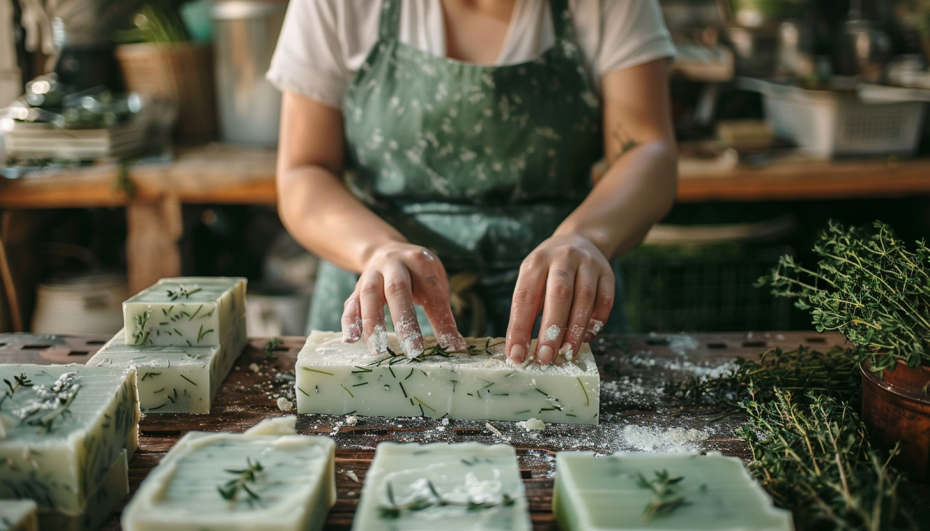
Why Soap Crafting Workshops Are a Calming Weekend Activity
Weekends are supposed to help us recover but many people in Singapore still carry the mental load of the workweek into Saturday and Sunday. Messages continue to come in, errands pile up, and rest often becomes more screen time. The result is a strange kind of tiredness: the body may be off work but the mind is still running.
That is why calming, hands-on weekend activities are becoming more meaningful. They give people a structured way to slow down without needing to sit still, meditate perfectly, or plan an expensive getaway. Soap crafting fits this need especially well. It combines touch, scent, colour, creativity, and a useful handmade product in one relaxed session.
In Singapore, where poor mental health remains highest among younger adults aged 18 to 29, and where workplace stress is a continuing concern, simple restorative activities matter more than they might seem. MOH’s latest National Population Health Survey reported that 15.4% of Singapore residents had poor mental health in 2024 with prevalence highest among young adults at 25.5% MOM also reported that among more than 15,000 employees whose employers used iWorkHealth in 2024 about one in three experienced work-related stress or burnout, while noting that this voluntary sample may not represent the full workforce.
Soap crafting is not therapy and it should not be presented as a replacement for professional mental health support. But as a weekend activity, it offers something valuable: a calm, creative pause that helps people move from mental clutter into focused making.
Why Hands-On Crafting Feels So Restorative
Crafting calms the mind partly because it gives attention a place to land. Instead of juggling notifications, deadlines and open-ended worries, participants follow a clear sequence: choose colours, add scent, mix ingredients, pour, shape and decorate. That structure is simple enough to feel approachable yet engaging enough to hold focus.
A 2025 systematic review of craft-based interventions found short-term improvements across outcomes such as anxiety, stress, depression, mood, self-esteem, life satisfaction, and wellbeing, although the authors also noted that stronger research is still needed before making long-term claims. That balanced finding is important. The value of a craft workshop is not that it fixes stress permanently; it is that it creates a real, immediate window of relief and engagement.
Another large study published in Frontiers in Public Health found that creating arts and crafts was associated with higher life satisfaction, happiness and a stronger sense that life is worthwhile, even after accounting for demographic factors. The same paper also notes the link between creative tasks and mindfulness-like attention: people often craft to disengage from unwanted thoughts and focus on the task in front of them.
What Makes Soap Crafting Different From Other Weekend Activities
It engages the senses without overstimulating them
Many leisure activities are either too passive or too intense. Watching a show may be easy, but it can leave the mind drifting. A high-energy activity may be fun, but it can feel tiring after a demanding week.
Soap crafting sits in the middle. It is active, but not rushed. It is creative, but not competitive. The process includes gentle sensory cues: the smooth texture of the soap base, the visual satisfaction of colours blending, and the fragrance of selected scents.
This matters because scent can strongly influence mood and memory. Research on lavender essential oil inhalation, for example, found that 10 of 11 clinical trials in a systematic review reported significantly reduced anxiety after lavender inhalation, while the authors called for more high-quality studies to confirm mechanisms. In a soap crafting workshop, scent is not used as medical treatment; it simply adds a calming sensory layer to the creative experience.
It produces something practical
There is a quiet confidence that comes from making something useful. Unlike a purely decorative craft, handmade soap has a place in daily life. You can bring it home, use it, gift it, or place it in the bathroom as a small reminder of a peaceful afternoon.
This practical outcome matters. Creative wellbeing research often highlights self-expression, flow, immersion, and functionality as meaningful parts of creative activity. Soap crafting brings those elements together naturally: the participant makes design choices, enters a focused process and leaves with something functional.
The Calming Mechanisms Behind Soap Crafting
A good soap crafting session does more than keep people busy. It works because several calming mechanisms happen at the same time:
- Focused attention: Following step-by-step instructions gives the mind a break from scattered thinking.
- Creative control: Choosing colours, scents, herbs, or exfoliants gives participants agency without pressure.
- Sensory grounding: Texture, fragrance, and visual design keep attention in the present moment.
- Visible progress: Watching ingredients become a finished soap bar creates a sense of completion.
- Gentle social connection: Participants can talk, laugh, and compare designs without needing forced interaction.
Craft Labs’ soap crafting workshop reflects many of these qualities. Participants can add scents, herbs, or exfoliants, and the session includes guidance from professional trainers. The workshop is also designed to be accessible, with a typical duration of 1 to 1.5 hours and suitability for all ages.
Why It Works Especially Well as a Weekend Activity in Singapore
Singapore weekends can be packed. Between family meals, tuition schedules, errands, social commitments and personal admin, many people do not have a full day to disappear into nature or travel somewhere far away.
That is where a compact indoor workshop becomes useful. A 1 to 1.5-hour soap crafting session is long enough to feel immersive, but short enough to fit into a Saturday or Sunday without taking over the entire day. Craft Labs’ studio is located around five minutes from Marymount MRT and can accommodate groups, making it practical for friends, families, couples, and corporate teams.
It is also weather-proof. In a hot, humid, and occasionally rainy city, indoor creative workshops offer a reliable way to unwind without worrying about heat, storms, or crowded outdoor spaces.
A Low-Pressure Way to Reconnect With People
Not every weekend catch-up needs to revolve around eating, shopping, or drinking. Soap crafting gives people something to do together, which often makes conversation easier. There is less pressure to perform socially because attention is shared between the activity and the people around you.
This is useful for many groups: friends who have not met in months, couples looking for a relaxed date idea, parents and children who want a screen-free activity, or teams that need a break from formal workplace settings.
WHO has noted that artistic and leisure activities can support holistic wellness, help people process difficult emotions and contribute to health promotion and wellbeing. A broader WHO evidence review also found that arts engagement plays a role in preventing ill health, promoting health, and supporting illness management across the lifespan.
Why Businesses Should Consider Soap Crafting for Team Wellbeing
For companies, weekend or after-work workshops can be more than a fun perk. They can create a softer environment for connection, especially for teams that are used to interacting mainly through meetings, deadlines and performance metrics.
Soap crafting works well for team bonding because it does not require athletic ability, artistic experience or a loud personality. Everyone starts with the same basic materials, but the final products look different. That creates natural conversation without the awkwardness of forced icebreakers.
For HR teams or managers planning wellness activities, the key is to position the session correctly. It should not be framed as a cure for burnout. Instead, it can be part of a broader wellbeing culture that includes healthy workloads, psychological safety, proper rest, and meaningful support. MOM has highlighted measures such as flexible work arrangements and after-hours communication policies as part of workplace mental wellbeing efforts.
How to Make a Soap Crafting Workshop Feel Even More Restorative
To get the most from the experience, participants can treat the workshop as intentional downtime rather than just another weekend booking.
- Choose scents based on mood: Go for calming, fresh, or uplifting fragrances instead of simply choosing what sounds popular.
- Avoid rushing the design: The point is not to create the “best” soap, but to enjoy the process.
- Put the phone away during the session: A short screen break makes the activity feel more immersive.
- Go with people who help you relax: The right company can make the session feel lighter and more enjoyable.
- Use or gift the finished soap: Turning the final product into a daily ritual extends the memory of the workshop.
Why Knowing the Ingredients Adds Peace of Mind
Another reason soap crafting feels satisfying is transparency. Many store-bought products are difficult to understand because ingredient lists can be long and technical. In a workshop, participants see what goes into their soap and make choices along the way.
Craft Labs highlights this educational angle, noting that participants can learn what ingredients go into the soap and create their own personalised bars. The workshop also allows customisation through colours and scents, making each bar feel personal rather than mass-produced.
For people who enjoy mindful consumption, this is part of the appeal. The activity is not only about relaxation; it also encourages curiosity about everyday products.
Conclusion
Soap crafting is calming because it meets several modern needs at once. It is screen-free, sensory, creative, social, practical, and easy to fit into a Singapore weekend. It gives the mind a focused task, the hands something gentle to do, and the participant a finished object that carries a sense of achievement.
The research does not suggest that crafting is a magic solution for stress. What it does suggest is more grounded and useful: hands-on creative activities can support short-term wellbeing, encourage focus, build confidence, and create moments of connection. In a city where many people are looking for better ways to rest, that matters.
Looking ahead, calming craft workshops are likely to become more relevant for individuals, families, and workplaces in Singapore. As wellness becomes less about luxury and more about sustainable daily habits, soap crafting offers a simple reminder: sometimes the best weekend reset is not doing more, but making something slowly, with your hands, in good company.
FAQs
Is soap crafting suitable for beginners?
Yes. A guided soap crafting workshop is beginner-friendly because trainers explain the steps and provide the required materials.
How long does a soap crafting workshop usually take?
Craft Labs’ soap crafting workshop typically lasts around 1 to 1.5 hours, making it easy to fit into a weekend schedule.
Why is soap crafting considered calming?
It combines focused attention, gentle sensory engagement, creativity, and a visible finished result, which can help people feel more present and relaxed.
Can children join a soap crafting workshop?
Yes. Craft Labs states that soap crafting is suitable for all ages, including both adults and children.
Is soap crafting a good team-building activity?
Yes. It is low-pressure, inclusive and creative, making it suitable for teams that want a relaxed bonding activity rather than a competitive one.
